
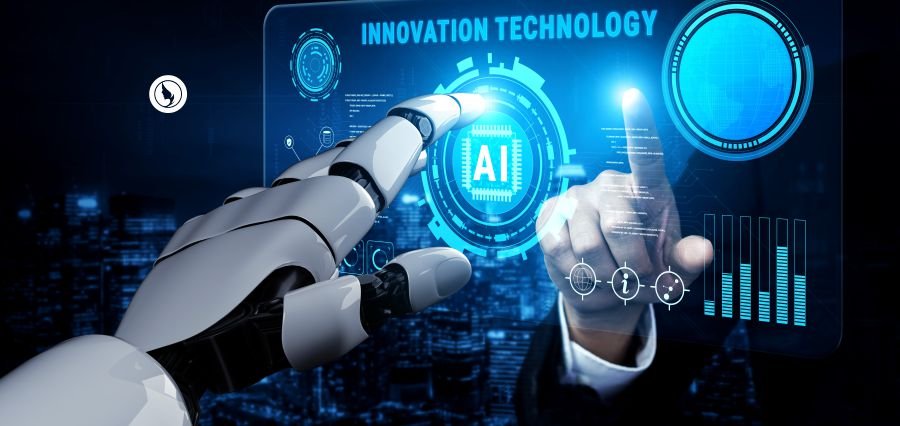
Due to artificial intelligence, consumer behavior, business design, marketing, and manufacturing are transforming rapidly. What began as a collection of analytical tools has evolved into a foundational capability that actively shapes product strategies across industries. It is no longer just about efficiency and automating operations but also about cultivating the most intuitive, adaptive, and personalized experiences that AI now embodies. Organizations compete in a digital-first economy which requires businesses to integrate artificial intelligence into product development capabilities as their primary competitive advantage.
Users have recognized the need to have smooth interactions with contextual relevance together with real-time system responsiveness. Customer-centric design has evolved from a foundational design principle into a critical business strategy. Introducing AI into the product ecosystem allows businesses to abandon the rigid design paradigm and adopt dynamic and data-driven models. Consequently, product teams are reconsidering the conventional design operations and aligning them more with ongoing learning and feedback.
AI-Driven Innovation
AI is enhancing the speed of innovation because it allows product teams to process large volumes of data to extract actionable insights at scale. A machine learning program can classify various contexts based on the momentary position of each word in the surrounding context so that themes and arrangements maybe effectively analyzed. Products no longer are designed based on assumptions or constrained research but by the informed use of data and predictive analytics.
Artificial intelligence drives product development through all stages of the product lifecycle. AI tools provide decision support and workflow optimization to organizations from their initial product ideas until final product release. Teams create design prototypes through generative AI models which they evaluate through testing, while advanced analytics use engagement data to enhance user interface design. Businesses need to combine artificial intelligence with creative thinking to develop products which satisfy essential functional needs and evolving customer demands.
Personalization at Scale
The capability of offering personalization at scale is one of the most radical features of AI in product design. Conventional methods of customization were typically based on a generalized segmentation and established user paths. Conversely, AI facilitates fine-tuning of personalization by examining user interactions on a case-by-case basis in real time. This enables products to tailor content, recommendations, and features to each user, making the experience more engaging and relevant.
Customer loyalty and satisfaction increases through personalization fueled by AI. The users are more likely to be interested and involved when they feel that a product knows their preferences and expects their needs. This is especially apparent in areas like e-commerce, media and financial services where personalized recommendations and insights may have a significant impact on user behavior. Nevertheless, to successfully realize successful personalization, there should be a balanced approach to the use of data and the consideration of privacy since trust is one of the vital elements of customer-centric design.
Designing for Trust
With companies implementing AI in their products, transparency and trust issues are gaining importance. The customers are becoming more conscious of the usage of their data, and they want organizations to treat the data in a responsible manner. Designing with trust means not only providing security to data, but also making sure that there is a clear description of the manner in which AI-driven decisions are taken.
Prejudice in AI models, inadequate inclusivity, and unintended consequences may lead to decreased trust in users and negative brand reputation. Product teams should implement effective governance systems which will enable them to design products with equitable access, responsible use and inclusive design practices. The process demands ongoing AI system assessment with the need to include various viewpoints during development and to ensure product results match societal expectations.
Conclusion
The design landscape is changing as a result of AI product transformation, which makes it more intelligent, responsive, and highly customized. The successful integration of AI in the product strategies of organizations is more likely to satisfy the needs of the modern consumers and promote sustainable development. Nonetheless, this change must be accompanied by the careful strategy that considers both the innovation and the responsibility.
Through trust, transparency and ethical design, businesses can leverage the maximum potential of AI and still be able to maintain a good and significant relationship with their customers. Organizations that invest in cross-functional collaboration, continuous learning and responsible AI practices will create new customer experience standards. Success in the future will require organizations to develop technology capabilities which enable them to establish long-lasting relationships with their customers based on valuable insights.