
Prime Highlights
- Ferguson called the policy one of the most comprehensive efforts combining worker protections with stronger menopause health education.
- The Women’s Commission director noted Washington is among the first states to declare women need not suffer in silence at work.
Key Facts
- Menopause is the natural stage when a woman’s menstrual cycle permanently stops.
- Perimenopause typically begins in a woman’s late 30s or 40s, before menopause sets in.
Background
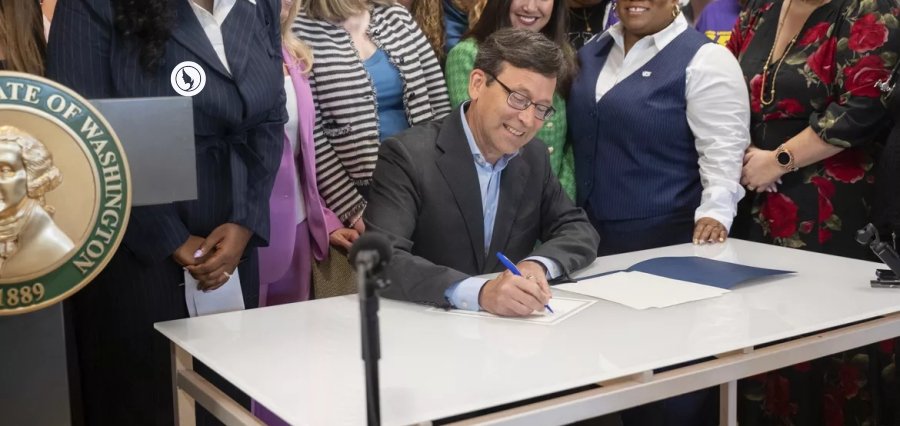
Governor Bob Ferguson of the state of Washington has issued an executive order that mandates all state agencies to create workplace accommodations for women going through the stages of menopause and perimenopause. The purpose of issuing the order is to create guidelines and training for both government agencies and private institutions by examining the current policies of state agencies in coordination with the Department of Health, Health Care Authority, and Bree Collaborative.
Accommodations can range from more flexible telecommuting, less stringent dress code requirements, and access to cold water. The executive order requires the state agency responsible for gender equity and financial management in Washington State to evaluate existing policies, establish best practices, provide training, and consider licensing credits for healthcare professionals interested in menopausal education.
The governor announced during a visit to a women’s clothing store in Seattle, where he noted that menopause is still a little-discussed issue even though it affects many female employees. Ferguson said that the policy was “among the most ambitious” because of its dual approach of employee protection and health education about perimenopause and menopause.
The governor stressed that the issue is one of fairness and equity, warning against relying on a scattered set of accommodations. He pointed out that women with years of experience and leadership potential are leaving the workforce simply because employers are unprepared for a natural stage of life affecting half the population.
Data from Mayo Clinic estimates that menopausal symptoms cost approximately 1.8 billion dollars in productivity losses annually. Research from the Society for Women’s Health Research shows that around 40 percent of women considered or left their jobs due to symptoms. Washington has roughly 600,000 working women in their 40s and 50s, the typical age range for perimenopause and menopause. A written implementation report is due by the end of April.