In the energy business, good leadership is not just about running the plant well. A leader has to know the business, help people grow, and make decisions when things are uncertain. Companies today are dealing with new technology, a shortage of skilled workers, and shifting goals. In that setting, human capital is a key priority and CHRO’s are partnering with leadership to drive these strategies.
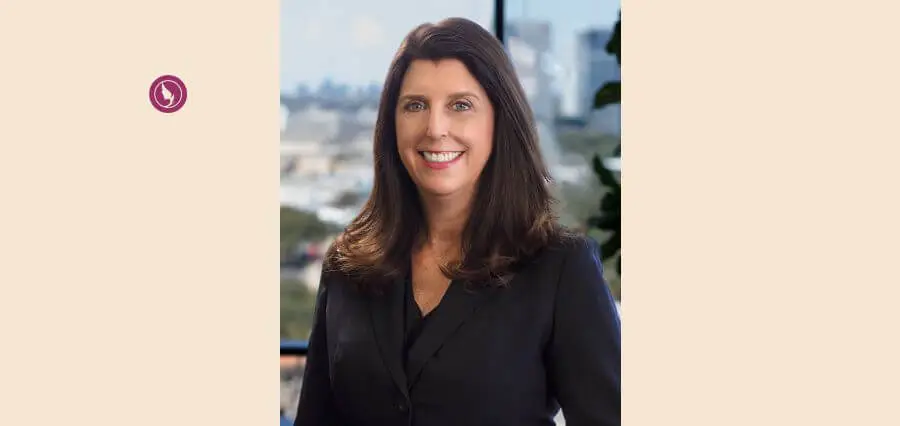
Leah Kasparek is the Vice President of Human Resources & Public Relations at Cameron LNG. Her leadership approach was built on working closely with operations and handling difficult business changes. She believes that a company’s success depends on how well it manages both its business and its people. Throughout her career, she has focused on understanding the business, earning people’s trust, developing talent, and helping employees do their best work.
Learning the Business from the Ground Up
Leah began her career at Anheuser-Busch, where she learned the importance of understanding the business before leading its people. As an entry-level HR leader, she attended brewing school, learned to read financial statements, spent time in every operational department, worked alongside employees across all three shifts, and participated in operational meetings.
This experience shaped her leadership style for the rest of her career. Understanding how the business worked helped her earn the trust of leaders and have a greater say in important decisions. She also had leaders early in her career who believed in her abilities, encouraged her to take on leadership responsibilities, and supported her when she took risks. Their trust influenced how she would later guide and support others.
Her career also brought difficult situations, including union negotiations, leadership changes, company ownership transitions, and market downturns. These experiences gave her opportunities to learn from other leaders and test her own abilities. They taught her that people strategy is business strategy, leadership matters most during difficult times, and credibility comes from staying close to the people doing the work.
Connecting People with Business Goals
At Cameron LNG, Leah begins workforce planning by asking what the business needs to operate safely, reliably, and sustainably, both now and in the future. Her responsibilities cover workforce strategy, compensation and benefits, succession planning, leadership development, organizational effectiveness, employee relations, and communication.
Each of these areas needs to support the company’s business priorities. This involves looking at important roles, the availability of future leaders, employee readiness, workforce costs, retention risks, and the time needed to develop specialized skills.
The company’s focus must include developing existing employees, strengthening its leadership pipeline, redesigning work, and making responsibilities clear. She believes people strategy is an investment in the company’s most valuable resource. It should help ensure that the organization has the right people, skills, leaders, and culture to meet its goals and manage risks.
Building a Workplace Where People Feel Valued
For Leah, a healthy workplace is one where employees feel that their work matters, take pride in what they do, and understand how they contribute to a shared purpose. At Cameron LNG, the #ProudToBeCameronLNG strategy reflects the company’s commitment to its people and the communities where they live and work.
This connection is especially meaningful to her because Louisiana is where her roots are. She values the opportunity to support a workplace where employees feel safe, valued, and able to do meaningful work. The company’s mission, “Local Roots. Global Reach”, reflects its connection to Southwest Louisiana while recognizing the wider importance of its work.
Leah views workplace culture as a shared responsibility. When employees care about one another and understand how their work helps power the world, they develop a stronger sense of pride in what they do.
Building that kind of workplace begins with trust. From her experience across different companies, she has learned that trust develops through relationships, honesty, and integrity. An open-door policy alone is not enough. Employees need to know that their concerns will be heard and that their feedback will be taken seriously.
Spending time with employees, understanding their daily challenges, holding informal meetings, and volunteering alongside colleagues are some of the ways leaders can build stronger relationships. She believes leaders must make time for these interactions, particularly as technology and remote work change how people communicate.
Preparing Employees for Growth
Building a company’s bench strength starts with every hiring decision. For Leah, a strong talent pipeline requires leaders to regularly review employees’ skills, interests, and potential rather than relying only on traditional performance reviews.
Career growth does not always mean moving directly into a higher position. Lateral moves, short-term assignments, and honest feedback can give employees the experience they need to take on greater responsibilities. At Cameron LNG, competency-based career paths, talent reviews, leadership development programs and technical learning help employees prepare for future roles.
This planning is particularly important in the energy industry, where specialized knowledge can take years to develop. Leaders need to know which skills are essential, where the company has enough experienced people, and where a shortage could affect operations.
Leah also supports the development of emerging leaders through continuing education in technical and soft skills, along with a formal Emerging Leader program. Participants learn leadership principles, hear senior leaders discuss their career journeys, and present a final project to senior leadership.
An important part of the program is learning from colleagues and understanding different areas of the business. Working outside their usual departments helps emerging leaders see the company from a wider perspective and build relationships across teams.
Leading Through Change
Throughout her career, Leah has handled major changes, including labor negotiations, company reorganizations, an ERP implementation, acquisitions, organizational integration, and restructuring during a downturn in the energy market.
These experiences taught her the importance of knowing what she stands for and understanding why she is leading through a difficult situation. That clarity helps leaders give people direction when circumstances are uncertain.
Resilient leadership requires looking beyond immediate problems and remaining focused on longer-term goals. During periods of change, employees pay close attention to how leaders act, communicate, and listen. The way a decision is handled can matter as much as the decision itself.
For her, trust grows when leaders are honest, consistent, and willing to stand alongside their teams through difficult moments. This approach allows employees to understand what is happening and gives them greater confidence in the people guiding the organization.
Creating More Opportunities for Women in Energy
Leah sees growing opportunities for women in the energy industry, supported by stronger professional networks and greater attention to career development.
She believes women need opportunities to lead in different areas of the business. Exposure to finance, operations and risk management roles helps to prepare for senior leadership positions.
As she puts it, someone must be willing to say, “She is ready,” and give a woman the opportunity to prove herself.
Her own career benefited from a leader who gave her responsibilities beyond her title, valued her input, included her in important discussions, and supported her development. That experience showed her how much difference the right support can make.
She has been part of Women in Energy Houston for over 20 years which creates opportunities for women across the energy spectrum to be part of strong community to learn and lead. Leah encourages companies to support women’s involvement in professional organizations, community leadership and speaking opportunities.
Preparing HR for the Future
As artificial intelligence changes the way organizations work, Leah believes HR leaders must understand both the technology and its effect on employees. Companies need to decide which skills will remain important, which tasks can be redesigned, and how employees can learn new skills as their roles change.
In industries that depend on specialized technical knowledge, experience cannot always be replaced by hiring someone new. HR leaders must focus on keeping the human side of decisions in mind.
Future HR leaders must be equipped to lead with data, financial knowledge, technology, governance and business strategy. They must understand what the data means for business performance, costs, skills, and future risks.
A Legacy of Purpose and Courage
Leah feels blessed to have influence in organizations where decisions affect people’s lives. She challenges the idea that “We don’t live to work, but we work to live,” and instead suggests that giving your time to a job well done and contributing to the organization’s mission has great meaning.
For her, living with purpose means bringing one’s best to the job and showing up for the people one works with each day. She takes pride in being part of an industry whose employees develop technology, work towards excellence, and help fuel the world.
She hopes her contribution will be helping talented, dedicated employees reach their full potential. Her view of success is grounded in humility, a clear sense of purpose, and the courage to make the right decisions. As she puts it, “I want my leadership legacy to be that staying humble, connected to your purpose and having courage to do the right thing is the true definition of success.”