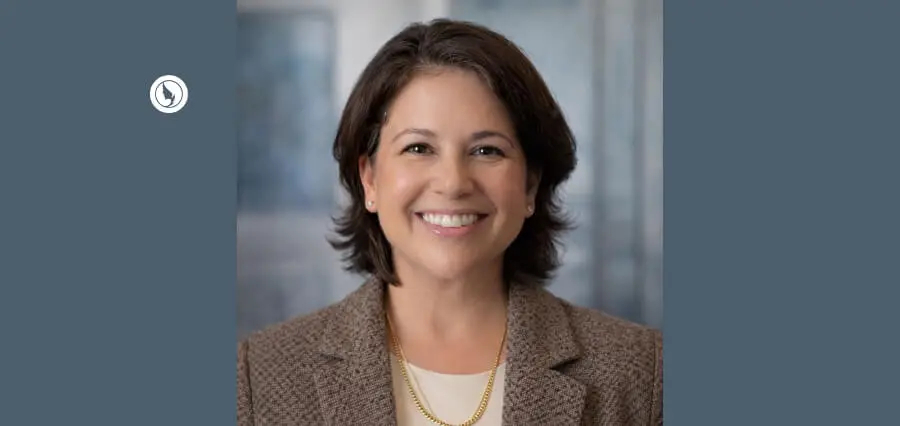
More than two decades into a career spent helping families navigate private healthcare, Ashley Mirone found herself experiencing the system from the other side.
Sitting in an infusion chair during her own experience with breast cancer, the healthcare executive became the patient. It gave Ashley a perspective no leadership position could provide and crystallized something she had spent years learning professionally: when people are at their most vulnerable, trust matters as much as expertise.
Today, as Chief Revenue Officer of Legacy Concierge, an RN-owned concierge healthcare company, that perspective shapes how Ashley thinks about growth. She oversees business development, marketing, client experience, and strategic partnerships—but she doesn’t believe sustainable growth begins with selling.
“Growth doesn’t begin with a sales strategy; it begins with a trust strategy.”
When the Executive Became the Patient
Ashley entered the private-pay healthcare sector more than two decades ago. At the time, she viewed it as a career decision rather than a calling.
That changed as she began to understand what sat behind every referral, phone call, and family meeting. Her teams weren’t simply providing a service. They were meeting families during moments of uncertainty and helping them make decisions that could profoundly affect someone they loved.
Her own experience as a patient made that responsibility even more personal.
During treatment for breast cancer, Ashley experienced healthcare without the title, strategy, or executive perspective. She understood what it felt like to need answers, reassurance, and confidence in the people responsible for her care.
It reinforced a belief that now sits at the center of her leadership philosophy: patients and families may not remember every clinical detail, but they remember whether they felt seen, heard, and safe.
For Ashley, that understanding fundamentally changes the way healthcare organizations should approach growth. Revenue is not the starting point. It is the result of consistently earning someone’s confidence.
Scaling Trust
Long before Legacy Concierge, Ashley played a key role in scaling one of the nation’s largest private-pay home care organizations from 17 markets to more than 110 locations.
The experience taught her that sustainable growth requires more than ambition. It requires discipline, repeatable systems, strong leadership, and teams aligned around a shared purpose.
But one lesson stood above the rest: culture scales faster than process.
Systems can be replicated across markets. Processes can be standardized. But people ultimately determine whether those systems translate into an exceptional experience for clients and families.
Her teams invested in leadership development, commercial alignment, accountability, and consistency across markets. The goal wasn’t simply to grow larger. It was to ensure that quality and trust grew alongside the organization.
That experience changed how Ashley measures successful expansion.
“The strongest organizations do not simply expand their operations; they expand trust.”
Building the Trust Architecture
At Legacy Concierge, Ashley is putting that philosophy into practice through an RN-led concierge model built around a central question: How do you give families confidence when healthcare becomes complicated?
Families who come to Legacy Concierge are rarely navigating a simple situation. They may be coordinating physicians, specialists, caregivers, attorneys, fiduciaries, wealth advisors, family offices, and adult children—all while trying to make important decisions for someone they love.
Legacy’s role is to bring clarity to that complexity.
By placing experienced clinical leadership at the center of the client relationship from the beginning, the conversation moves beyond simply providing hours of care. It becomes about understanding the entire situation, anticipating needs, coordinating the right people, and giving families a trusted point of connection.
For Ashley, clinical performance and commercial performance cannot be separated.
“Clinical excellence isn’t separate from commercial excellence; it is commercial excellence.”
The same philosophy extends across the organization.
Marketing builds awareness. Business development builds relationships. Clinical teams establish credibility. Operations creates consistency. Client experience turns strong relationships into lasting advocacy.
Ashley describes the system connecting those functions as “trust architecture”—an organization intentionally designed so that every interaction strengthens confidence.
When each department understands the role it plays in that experience, growth becomes something the entire organization contributes to rather than something owned solely by a sales team.
What Families Are Really Looking For
Legacy Concierge serves families who expect a high level of expertise, discretion, responsiveness, and personalization. But Ashley believes what they are ultimately seeking is much simpler.
Peace of mind.
Families don’t wake up thinking about purchasing a certain number of hours of home care. They wake up wondering whether their parent will be safe, whether they’re making the right decision, whether someone will answer when something changes, and whether the people surrounding their family understand the gravity of what they’re navigating.
“Families don’t wake up looking for home care; they wake up looking for confidence.”
Earning that confidence requires consistency.
From the first phone call to an RN assessment and ongoing care, every interaction should reflect the same standard of professionalism, empathy, responsiveness, and clinical excellence.
That responsibility also extends beyond the immediate client.
Families experience healthcare as one continuous journey, even when the professionals supporting them operate in entirely different industries. Medicine, financial planning, legal considerations, housing, care management, and family dynamics frequently intersect.
Ashley believes the future of concierge healthcare will increasingly depend on connected ecosystems rather than isolated areas of expertise. Physicians, attorneys, fiduciaries, wealth advisors, family offices, care managers, and healthcare providers must be able to work together around a common goal: making an extraordinarily complicated period of someone’s life feel more manageable.
Making Healthcare More Human
As technology and artificial intelligence reshape healthcare, Ashley sees an opportunity to strengthen that human connection rather than replace it.
AI can reduce administrative work, identify important patterns earlier, improve communication, and provide clinicians with better information. But its value, she believes, should ultimately be measured by what it gives back to people.
“The greatest promise of AI isn’t replacing clinicians; it’s giving them back the time to be more human.”
As more care moves into the home, families will expect greater transparency, faster communication, and more proactive planning. Technology can help providers recognize needs earlier and respond before challenges become crises.
But technology alone cannot reassure a frightened family member.
Families may not remember which platform managed their information or what technology operated behind the scenes. They remember whether someone answered when they were scared. They remember whether someone listened. They remember whether they felt supported when they didn’t know what to do next.
For Ashley, innovation should make those moments more connected and compassionate—not more complicated.
Leading Through Accountability and Empathy
Ashley’s leadership philosophy is grounded in three principles: clarity, accountability, and purposeful innovation.
She believes people perform at their best when they understand where an organization is going, why the goal matters, and how their individual work contributes to it.
She also believes innovation rarely begins exclusively in the boardroom. Sometimes it starts with a clinician or coordinator close enough to the work to ask a simple question:
What if there’s a better way to do this?
Creating a culture where employees feel comfortable asking that question is a leadership responsibility.
For Ashley, culture isn’t defined by a mission statement. It is defined by the behaviors leaders consistently model, recognize, and reward.
That becomes particularly important during periods of change.
Operational complexity can be managed through systems and processes. Leading people through uncertainty requires transparency, consistency, and empathy. Employees may not expect leaders to have every answer, but they do expect them to communicate honestly and make difficult decisions with an awareness of the people those decisions affect.
“Trust is built long before an organization needs it.”
The Trust Economy
Looking ahead, Ashley believes healthcare is entering what she calls the “Trust Economy.”
Technology, access, outcomes, and efficiency will continue to influence how consumers choose healthcare organizations. But as families become more informed and their expectations for coordinated care increase, Ashley believes trust will become one of the industry’s defining competitive advantages.
Referral relationships are evolving as well. Transactional relationships are giving way to longer-term partnerships built around shared accountability and better outcomes for families.
That evolution is also changing what it means to lead revenue.
Ashley believes the next generation of Chief Revenue Officers will need to think beyond traditional sales organizations. Their role will increasingly require aligning clinical excellence, marketing, operations, technology, partnerships, and client experience around one cohesive strategy.
Organizations should therefore invest in leadership and culture with the same discipline they apply to technology.
“The organizations that intentionally earn trust, protect trust, and scale trust will define the future of healthcare.”
A Legacy Measured in People
For all of Ashley’s experience scaling organizations and building commercial strategy, the legacy she hopes to leave isn’t measured solely in markets entered or revenue generated.
It’s measured in people.
She wants to contribute to a healthcare system where aging in place is treated as a thoughtfully coordinated human experience rather than a transaction—one where families feel supported, clinicians are empowered to do their best work, and strong business performance and genuine compassion strengthen one another.
Her advice to aspiring women leaders reflects that same philosophy: lead authentically, stay curious, build relationships before you need them, and above all, listen.
Titles change. Markets evolve. Technology advances.
Leadership, she believes, will always come back to people.
As Ashley looks toward the next chapter of her career, success will not simply be defined by how much an organization grew under her leadership, but by what that growth made possible: stronger teams, more supported clinicians, more compassionate organizations, and families who felt greater confidence during some of the most difficult moments of their lives.
“Growth has never truly been the goal; the goal is to leave people, teams, and organizations stronger than you found them.”