
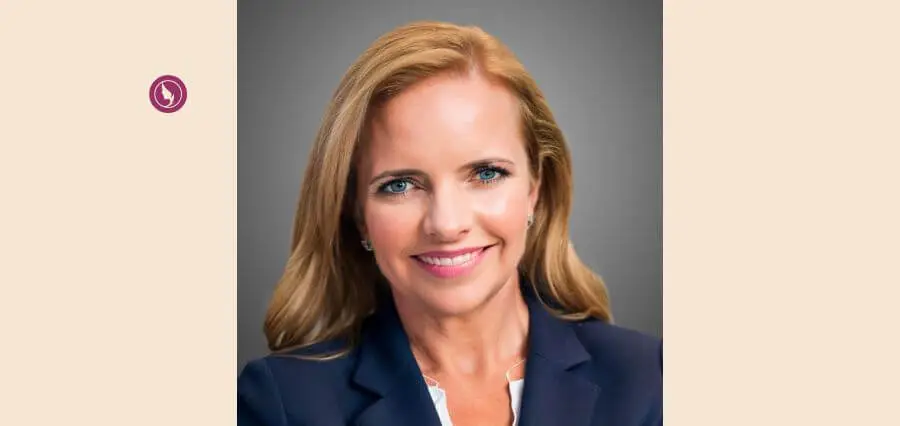
Pressure is where true leadership is measured. Ambiguity cannot always be resolved with clear answers. It requires judgment, clarity, and decisive action. Leaders must often make critical decisions before all the facts are known. Few leaders have built their careers around navigating such situations as effectively as Regina Lee. As Global Risk Advisory Leader at Ankura Consulting Group and a member of the company’s Executive Leadership team, she leads more than 500 professionals and helps clients navigate complex, high-profile challenges.
She is consulted when challenges are complex, risks are significant, and time is limited. In such situations, she follows a disciplined approach that combines careful analysis with a strong focus on outcomes. Yet, regardless of the challenge, she recognizes the human dimension behind every decision. After all, decisions affect people and organizations. That perspective continues to shape how she leads teams and advises clients through some of the most difficult moments in business.
Leading with Trust and Purpose
Regina’s leadership philosophy is grounded in a simple principle: people and relationships come first. She sets clear expectations, communicates directly, and gives talented professionals the freedom to perform at their best. Leading teams across disciplines and continents requires a consistent sense of purpose while allowing individuals to bring diverse perspectives and ideas.
Every colleague should understand where the practice is heading, why the destination matters, and how individual contributions support the broader vision. High standards and accountability create a foundation for excellence. Trust and shared ownership strengthen collaboration. Innovation grows when people feel comfortable challenging assumptions, asking questions, and sharing new ideas.
Her leadership style is active and engaged. She listens, asks questions, removes obstacles, and makes informed decisions. She also makes time for conversations across the organization because the people closest to the work often have valuable insight into client needs and opportunities for improvement. In a global business, employees should hear directly from their leaders and understand how decisions connect to the broader strategy. When people feel valued, supported, and accountable, they are more likely to take ownership and deliver their best work.
Decisive Leadership in Action
Clients rarely call when conditions are calm. Boards and executives often seek guidance when financial integrity or corporate reputation is at risk and time is limited. Regina begins by separating the situation into three categories: what is known, what is believed, and what still needs to be determined. This distinction becomes especially important when pressure is high and facts continue to change.
She then identifies which decisions require immediate action, which can wait, and what the consequences of a wrong decision could be. She brings together the right expertise, establishes a disciplined fact-finding process, and assigns clear accountability. In her approach, speed never means acting without thought. “Acting quickly does not mean acting impulsively,” she says. It means moving with purpose, documenting the reasoning behind each decision, and remaining ready to adjust when new evidence emerges.
She also encourages leaders to communicate clearly about what they do not yet know. Stakeholders do not expect perfection. They expect honesty, sound judgment, and confidence in the process. Credibility comes from making well-reasoned decisions, explaining them clearly, and remaining accountable for the outcome.
Redefining Risk Advisory
Risk advisory now connects data analytics, cybersecurity, legal technology, and financial crime services. Regina expects technology to make these areas faster, more integrated, and more predictive. AI-enabled tools can identify patterns across large data sets, accelerate document reviews, improve transaction monitoring, and help teams focus on the issues that require the most attention. As critical evidence moves into complex digital environments, cybersecurity and legal technology have also become essential to modern investigations.
She believes the greatest opportunity comes from bringing these capabilities together rather than operating them in separate areas. The key challenge is ensuring that technology does not replace professional judgment. Experienced professionals must govern, validate, and interpret technology outputs. They must also understand context, bias, privilege, and regulatory requirements when evaluating results. “I encourage leaders to challenge assumptions, ask difficult questions, and remain open to new evidence,” she says.
This perspective is shaping the next generation of risk advisors. Future professionals will need strong technical knowledge and the ability to turn complex findings into clear and defensible recommendations. As technology takes on more review and analysis, the advisor’s role will become increasingly focused on interpretation and decision support.
Clients will expect teams to move quickly from information to insight and explain what findings mean for the decisions ahead. Doing this well requires curiosity, sound judgment, and the confidence to question results that appear precise but may not fully reflect the facts.
Shaping Leaders Through Experience
Rising through the ranks at a time when few women held senior leadership positions, Regina learned to lead in environments where confidence was not always perceived the same way. Those experiences taught her the importance of thorough preparation, resilience, and a clear understanding of the value she brings.
She encourages women who aspire to senior and global leadership to pursue opportunities before they feel fully qualified. “I encourage the next generation of leaders to pursue opportunities before they feel completely ready,” she says.
Building expertise, taking on challenging assignments, understanding business economics, and developing strong relationships can create a solid foundation for growth. She also recommends finding sponsors who will advocate for them in important conversations and extending the same support to others. Leaders do not need to copy someone else’s style. “Authenticity and decisiveness can coexist with empathy,” she says.
She also emphasizes the importance of commercial experience. Understanding how a business grows, how clients make decisions, and where investment can create value helps leaders contribute to important organizational discussions. Technical credibility, strong client relationships, and sound business judgment together provide a strong foundation for effective leadership at scale.
Balancing Rigor with Perspective
Few roles test a leader like those Regina has held, including litigation trustee, claims administrator, settlement administrator, and financial advisor. These assignments involved thousands of matters, vast amounts of data, competing legal responsibilities, and intense scrutiny. They also shaped a principle that guides her work today. Complexity should never become a reason to lose sight of the people affected by an outcome.
Behind every process are stakeholders seeking fairness, clarity, and resolution. She builds systems that operate with rigor and scale while keeping sound judgment and a human perspective at the center.
She begins by defining clear objectives, establishing transparent rules, measuring progress, and addressing problems before they become crises. She has learned that trust grows through consistency. It requires applying the same standards, explaining decisions clearly, and delivering on commitments. This discipline guides how she leads teams at Ankura and advises clients through their most challenging situations.
Success Beyond Recognition
The honors have come steadily throughout Regina’s career. Peers and clients have recognized her among the Top 25 Global Consultants, as a leading restructuring finance professional, and among the Top 50 Women Leaders of Texas. She values these honors because they reflect the trust and confidence of clients, colleagues, and the broader profession.
However, she measures impact through outcomes that extend beyond recognition. She sees it when a board makes a principled decision under pressure, an organization restores its credibility, or people affected by loss find a path to compensation. She also sees it when talented professionals deliver exceptional work, advance their careers, and grow into leadership roles. Some of her most meaningful moments come when a former client returns years later because of the trust built with Ankura or when a mentee steps into an opportunity that once seemed out of reach.
“I have always considered myself a people person who values relationships,” she says. For her, success is not defined only by what a team achieves. It is also reflected in how people treat one another and whether the organizations and teams they serve emerge stronger.
The Road Ahead
Looking ahead, Regina has a clear vision for the Risk Advisory practice. She aims to build a highly connected, trusted, and innovative platform in its market. The practice already has strong capabilities in investigations, forensic accounting, data analytics, legal technology, cybersecurity, financial crime, and mass tort resolution. The next priority is to bring these capabilities together. This will give clients access to one integrated team focused on their most important challenges.
Three commitments support this vision. First, she plans to invest in the next generation of leaders. Second, she intends to expand the practice’s global reach with purpose and discipline. Third, she will use technology to improve quality and efficiency while maintaining sound professional judgment.
The legacy she hopes to build is both clear and meaningful. She wants the practice to be known for strong results, integrity, collaboration, and care for its people. She will measure success by the strength of its clients, the growth of its professionals, and the value its expertise brings to the communities Ankura serves. For her, that would represent a lasting and meaningful legacy.