
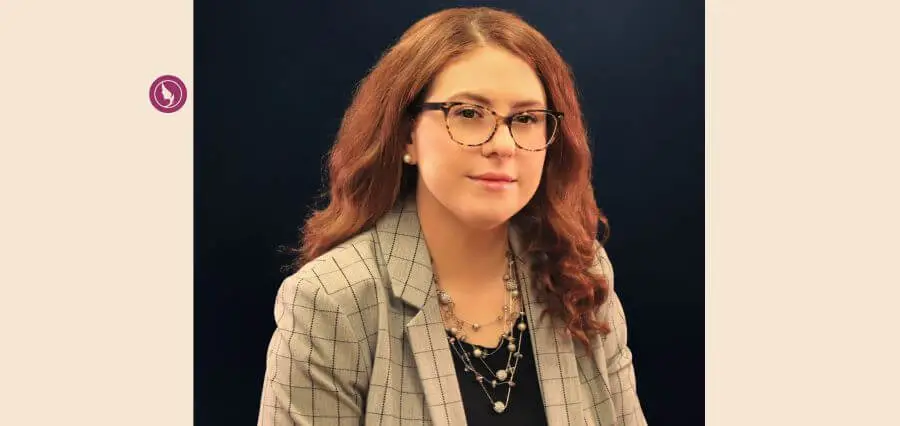
Nutrition goes far beyond the study of food. It is a field shaped by science, human behavior, and the decisions people make that affect their health and well-being. For future dietitians, understanding this broader perspective can provide deeper insight into the importance and scope of the profession. Erin McKinley, PhD, RD, LDN, CLC, MCHES, FAND, brings this broad perspective to her work at Louisiana State University. She helps students explore diverse career opportunities in clinical practice, public health, research, food systems, education, industry, and leadership.
In the School of Nutrition and Food Sciences at Louisiana State University, Erin serves as an Associate Professor, Director of Dietetics, and Director of Graduate Programs. Her work brings together teaching, mentoring, curriculum development, and academic administration. Through these responsibilities, she helps shape how future nutrition professionals understand the possibilities within their field and envision their own career paths.
A Career Guided by Purpose
Erin’s career is guided by one core belief: nutrition education can improve health far beyond a single classroom or clinical visit. As a Registered Dietitian and Health Education Specialist, she has studied the connection between knowledge, confidence, and the environments that shape people’s ability to make healthy choices.
Her career has grown from this interest. She began by teaching and mentoring students before moving into program leadership, research, accreditation, and professional service. She views these areas as connected parts of one mission. “My goal is to prepare nutrition professionals who can turn evidence into meaningful action,” she says. She also works to strengthen the systems that support their education.
One of the most rewarding parts of her work is watching students develop their confidence. Many begin with a limited understanding of the profession. Over time, they discover new opportunities and develop a broader view of their careers. Helping students recognize these possibilities and gain the confidence to pursue them remains one of the most meaningful aspects of her work.
Leading Dietetics Education
As Director of the Didactic Program in Dietetics (DPD), Erin oversees the academic foundation for aspiring dietitians. The program provides students with the knowledge and skills needed to pursue the Registered Dietitian Nutritionist (RDN) credential. She maintains high academic standards and sets clear expectations for students.
Her approach goes beyond classroom learning. She believes graduates need strong communication, critical thinking, ethical judgment, and leadership skills. They also need to understand the many roles dietitians can take on. Her goal is to help students apply nutrition science in complex, real-world situations rather than simply memorize information.
Transparency is another important part of her leadership. Erin wants students to understand what lies ahead. She emphasizes consistent advising, timely feedback, and clear policies. She also introduces students to graduate education and supervised practice early in their studies. This helps them make informed decisions about their careers. She plans to expand undergraduate research and professional engagement so students can explore their interests well before graduation.
Lessons in Leadership and Advising
Erin’s leadership approach has developed through experience in program management, curriculum development, and student advising. These roles have shown her that effective leaders do more than provide answers. They create clear systems that help people succeed.
She recognizes that communication gaps and inefficient processes can create challenges for students and faculty. Her approach therefore emphasizes clarity, accountability, and collaboration. “I believe strong leadership means creating clear systems while helping people find their own path to success,” she says. Whether developing a curriculum, advising students, or coordinating graduate requirements, she considers how decisions affect those involved. She then works to create practical processes that are fair, clear, and effective.
Advising has strongly influenced her leadership style. Students often face financial concerns, academic challenges, and important career decisions. High standards and compassion can work together. Supporting students does not mean lowering expectations. It means explaining those expectations clearly and helping students find a realistic path to achieve them.
Turning Standards into Progress
For many administrators, accreditation can feel like a routine administrative task. Erin views it as an opportunity for continuous improvement. The Accreditation Council for Education in Nutrition and Dietetics (ACEND) sets standards that help ensure students develop the knowledge, skills, and professional abilities required in the field. She uses these standards as a guide for ongoing progress rather than as an end goal.
Her team regularly reviews student outcomes, program performance, curriculum effectiveness, advising practices, and feedback. This process helps identify areas that need improvement and supports timely changes. She believes compliance and innovation can work together. Technology, healthcare, food systems, and student needs continue to change. The program must adapt to these developments while maintaining strong academic standards.
By maintaining consistent standards while responding to change, the program can better prepare graduates for current demands and future opportunities in the profession.
Learning Beyond the Classroom
In her Professionalism in Dietetics course, Erin has introduced an assignment based on the Three-Minute Thesis format. Students create a short and engaging presentation that supports an evidence-based nutrition position or explains an important topic.
Students can use role-play, social media, humor, or pop culture in their presentations. They must still maintain accuracy and professionalism. The exercise helps students communicate scientific evidence to different audiences. It also teaches them how to address misinformation and develop their own communication styles.
The assignment also encourages students to think about authentic communication. They learn how to engage and persuade an audience without simply telling people what they want to hear. These skills can support their future work in clinical practice, public health, advocacy, and leadership.
Understanding the Knowing-Doing Gap
Erin’s research focuses on consumer behavior, self-efficacy, and health behavior interventions. Her work is driven by an important question: Why do people who understand healthy choices often struggle to put that knowledge into practice?
Her research draws on health behavior theory. She recognizes that information alone does not always determine food choices. Beliefs, confidence, social influences, financial resources, food access, and the surrounding environment can all affect decisions. Her studies have examined food insecurity, college student eating behaviors, consumer perceptions, and the environments that influence food choices.
One current project, funded by the Louisiana Board of Regents, examines what consumers know, believe, and do about functional mushroom supplements. The project supports research development and provides insight into how consumers evaluate emerging functional food products. The findings may help improve nutrition education and health promotion. The broader goal is to understand what makes healthy behaviors practical, meaningful, and sustainable.
Supporting Emerging Adults
As part of the USDA Multistate NC1193 initiative, Erin contributes to research on health and nutrition among emerging adults. She views this stage of life as an important period of development. Young adults often make their first independent decisions about food, healthcare, and finances while managing school, work, and social pressures.
The research has challenged the idea that university enrollment automatically provides access to food and health resources. Campus assessments and research findings show that many students face food insecurity, limited resources, and barriers within their food environment. These challenges can make healthy eating more difficult.
The findings highlight the need for interventions that consider students’ full circumstances. Education is important, but affordability, accessibility, campus policies, and supportive environments also matter. Multistate collaboration allows researchers to identify common challenges across institutions while developing solutions that meet local needs. Supporting emerging adults can improve their well-being today and help them develop healthy habits that can benefit them and their families for years to come.
Guiding the Next Generation
By creating opportunities for growth, Erin involves undergraduate and graduate students in research projects where they develop practical skills, take on meaningful responsibilities, and learn from colleagues with diverse areas of expertise. She believes professional growth is strengthened through collaboration.
In academic leadership, she emphasizes clear communication, shared expectations, and active listening. Faculty and students often view challenges from different perspectives. Creating an environment where people feel comfortable sharing their ideas can lead to stronger solutions.
Mentoring is central to her approach. She encourages students to see themselves as emerging professionals whose ideas have value. She motivates them to present their research, pursue leadership opportunities, ask questions, and take intellectual risks. She also promotes lifelong learning among faculty and administrators. Strong academic communities, she believes, benefit from feedback, new approaches, and the expertise of others.
A Vision for Modern Nutrition
Future nutrition professionals will need to work across disciplines and adapt to changes in healthcare, technology, and food systems. Erin recognizes that artificial intelligence, digital health tools, and personalized nutrition are creating new opportunities in the field. At the same time, these developments require careful consideration of evidence, ethics, privacy, and equity.
The profession must also address the social and environmental factors that affect health. Food security, affordability, healthcare access, and access to nutritious food are important aspects of effective nutrition care. Dietitians can help connect clinical knowledge with public health, policy, and community-based solutions.
Effective communication will become increasingly important. Misinformation can spread quickly, while consumers are exposed to numerous health-related claims. Future professionals will need to evaluate evidence critically, communicate clearly, build trust with diverse audiences, and remain adaptable as the field continues to evolve.
Principles for Emerging Women Leaders
Four values guide Erin’s leadership approach: integrity, curiosity, accountability, and a commitment to helping others succeed. She combines a clear sense of purpose with humility and recognizes when change is needed.
Her advice to aspiring women leaders is practical. She encourages them to build strong expertise, seek mentors, and remain open to opportunities that may differ from their original plans. Careers do not always follow a straight path. Some of the most valuable opportunities can come from accepting responsibilities that encourage growth and new learning.
She also encourages leaders to remain honest about their goals and values. The pressure to appear perfect or follow someone else’s definition of success can be limiting. Effective leadership begins with understanding what matters, communicating it clearly, and making decisions that reflect those values. Leadership is demonstrated through the standards a person upholds and the opportunities they create for others, not simply through a professional title.