Permission is not necessary for innovation to occur. Carried forward by leaders who are willing to stand in the uncomfortable space between what exists and what is possible, it arrives subtly and frequently years before industries recognize its value. In the traditional real estate sector, this bravery becomes revolutionary. The industry is at a crossroads where visionary strategy and quarterly thinking clash, and legacy systems and digital transformation collide.
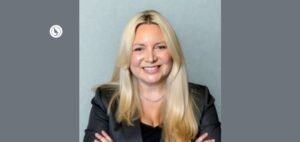
Navigating this tension requires more than technical expertise. It demands vision that sees beyond immediate returns, resilience that withstands skepticism, and the ability to translate complex technological concepts into tangible human outcomes. Whitney Kidd embodies this convergence.
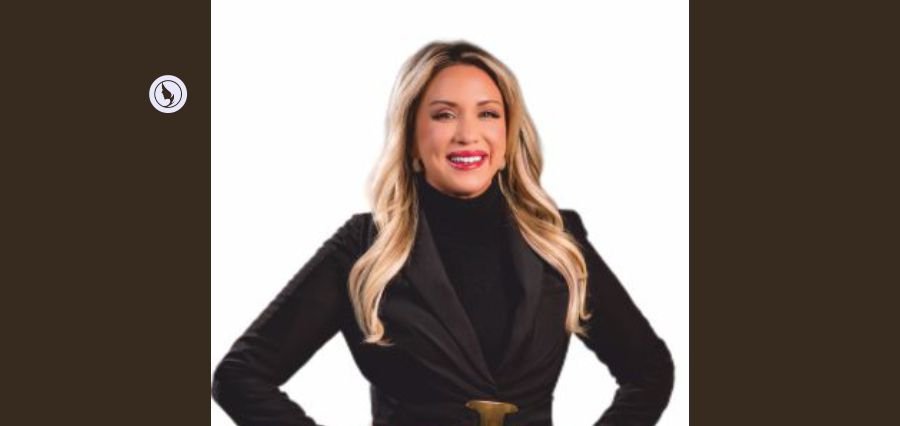
As Senior Vice President of Innovation and Technology at Preiss and Founder of IRIS Technologies, the organization’s dedicated innovation and consulting platform, Whitney Kidd operates where bold technological ambition meets operational reality. She doesn’t simply implement systems; she reimagines how technology can fundamentally reshape the way people live and work. Her approach challenges conventional wisdom, pushing real estate to embrace transformation not as optional upgrade but as survival imperative. In her hands, innovation becomes operationalized, embedded in daily workflows rather than confined to strategic presentations.
From Family Business to Technology Visionary
Whitney’s journey began in the practical world of apartment operations. Growing up in a family of apartment operators, she witnessed how manual processes and limited data transformed routine operations into complex challenges, compounding risk over time. These observations weren’t merely childhood memories; they were formative experiences that planted seeds of understanding, revealing problems that would later define her career’s purpose. When Whitney Kidd graduated from college and joined Riverstone, a technology-forward real estate organization, her perspective expanded dramatically. There, she discovered what becomes possible when strong operations pair with strategic innovation. She watched resident experiences elevate, operations streamline, and business outcomes improve through thoughtful technological integration.
Learning to Walk Away: When Failure Becomes Foundation
Yet Whitney’s path wasn’t linear. Among her most defining moments was failure. She built a company that, despite possessing a sound idea, ultimately couldn’t evolve. Misalignment at the founder level and unwillingness to adapt to market realities made scaling impossible. Walking away was one of the hardest and most instructive decisions of her career. That experience forged a principle that now guides her work: innovation must be grounded in outcomes. If technology doesn’t mitigate risk, increase revenue, or reduce expense, it isn’t innovation; it’s noise. Whitney Kidd learned that knowing when to exit carries as much strategic importance as knowing when to push. This clarity prepared her for the success she has built today.
Early, Not Wrong: A Philosophy of Strategic Timing
Whitney Kidd often jokes that she is always early and rarely wrong in her innovative approach. Being early doesn’t mean ideas lack merit; it means timing and organizational readiness matter profoundly. She has learned that innovation only succeeds when education travels alongside it. Bold ideas require patience and the discipline to explain value repeatedly, especially to audiences who aren’t naturally inclined toward early adoption. Leadership in these moments isn’t about winning arguments. It’s about maintaining conviction while staying steady through skepticism, recognizing when ideas are sound, but environments haven’t caught up yet.
Empowering Champions: The Peer-to-Peer Revolution
At Preiss, Whitney Kidd has pioneered a change management philosophy centered on empowering frontline champions- individuals who have successfully adopted new technologies and can guide peers through transitions with earned credibility. While executive alignment sets direction, she recognizes that trust spreads fastest peer to peer. Before implementing new directions, Whitney Kidd invests considerable time understanding how work actually gets done. New systems rarely fail because of technological limitations. They fail when leaders overlook operational realities. Constant change doesn’t concern her. Complacency poses far greater danger to organizational vitality.
The Robot Initiative: Leading Through Skepticism
When resistance emerges, Whitney’s first instinct is to listen. Resistance almost always carries valuable information- sometimes surfacing unconsidered risks, other times reflecting organizational fatigue or lack of clarity around purpose. She leads with consistency, empathy, and decisiveness. Once direction is set, she moves forward with conviction while explaining reasoning behind decisions. This approach crystallized last March when she championed investing in a humanoid robot as part of a 24-month research initiative. It was the first such work within the multifamily industry. The project generated significant attention and criticism around feasibility and timing. Rather than reacting defensively, Whitney Kidd treated both enthusiasm and doubt as valuable signals. After nearly two decades in multifamily, she has witnessed similar reactions to technologies that later became industry table stakes.
Beyond the Slide Deck: Making Innovation Operational
Whitney’s conviction runs deep: innovation only works when operationalized. It must live inside daily workflows, not remain confined to quarterly strategy sessions. At Preiss, innovation embeds through data-driven decision making, cross-functional working groups, and clear ownership. Every major decision undergoes pressure testing: Does this reduce friction? Does it scale? Does it create compounding leverage? She encourages organizations to formally identify teams whose responsibility encompasses innovation across entire businesses. For these groups to drive meaningful change, executive sponsorship proves non-negotiable.
History validates her approach. Companies like Sears, Blockbuster, and Kodak didn’t fail because they lacked access to advanced technology. They failed because they couldn’t transform business models fast enough to maintain relevance. Innovation isn’t about chasing the newest tools; it’s about building organizational capacity to evolve across multiple lifecycles rather than becoming obsolete after one.
Ethics as Gating Factor: Building Technology People Trust
For Whitney Kidd, ethical responsibility functions as a gating factor in technology leadership. With emerging technologies like artificial intelligence, robotics, and advanced data systems, the critical question shifts from what can be built to what should be deployed and under what guardrails. She prioritizes transparency with residents, employees, and partners, designing with privacy, safety, and human dignity at the center. Short-term advantage never justifies compromising long-term credibility. The most powerful technologies are those people trust enough to invite into their daily lives.
Whitney’s role demands daily translation between technical complexity and business impact. She focuses on outcomes people care about- time saved, risk reduced, revenue protected, and experience improved. She intentionally avoids jargon, leading with narrative. People connect with stories, not systems. When technology is framed through real scenarios and tangible results, it becomes accessible rather than intimidating. A meaningful learning experience came while serving as a design partner on an artificial intelligence initiative. She brought deep experience in building advanced platforms, while the broader organization was new to co-creating emerging technology. The experience reinforced lessons about setting expectations early and leading teams through ambiguity with transparency.
Passion Over Process: Mentoring the Next Generation
When mentoring emerging leaders, Whitney Kidd encourages them to start with authentic motivation. Innovation is difficult work. Without a clear purpose, sustaining required energy becomes impossible. For her, that purpose has always been making people’s lives easier. She pushes future leaders to chase problems they genuinely care about solving, not just skills they want to develop. Passion fuels resilience. When work connects to improving real experiences for real people, grit follows naturally.
The W. Collective: Her Proudest Innovation
Beyond her role at Preiss,Whitney Kidd was an originating founder of The W. Collective, a leadership organization focused on advancing women across real estate, technology, and adjacent industries. She founded it alongside highly respected executives who shared a conviction: innovation extends to how teams are built, leaders are developed, and inclusive experiences are created. The organization addresses persistent gaps in access, visibility, and sponsorship for women at every leadership stage. Through mentorship, leadership programming, scholarships, and community building, The W. Collective equips leaders with networks and confidence needed to drive meaningful impact. Of everything she has built, this remains her proudest initiative.
Building Leaders, Not Just Solutions
Looking ahead, Whitney Kidd is shifting from being a builder of solutions to a builder of leaders. Scale doesn’t come from personal execution capacity; it comes from empowering others to lead with confidence and clarity. Staying grounded means remembering that technology is always a tool, never the point. The purpose remains constant: people.
In an industry confronting unprecedented disruption, Whitney Kidd represents a new leadership paradigm. She combines technical sophistication with human-centered design, strategic vision with operational pragmatism, and bold innovation with ethical responsibility. She doesn’t just predict the future of real estate technology; she actively builds it, one thoughtful decision at a time, proving that the most transformative innovations emerge from those who move with purpose, conviction, and unwavering commitment to making people’s lives genuinely better.