
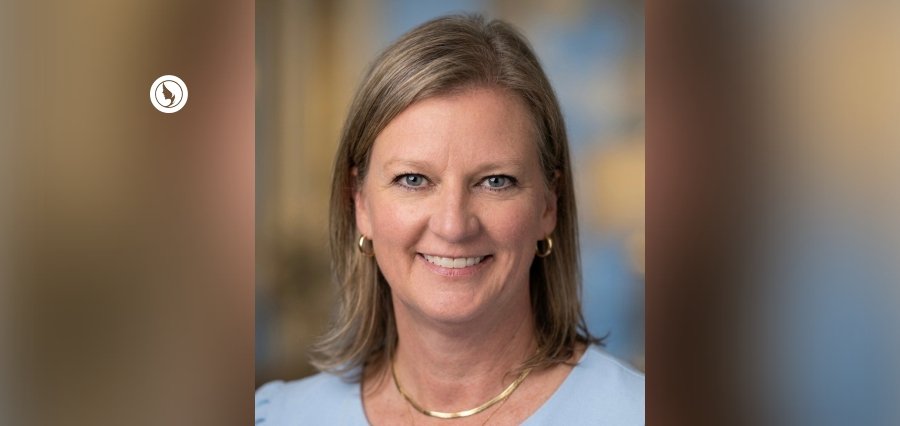
An institution’s legacy is determined by its vision for the future, not by the years that have passed. Achieving true leadership requires striking a balance between the bravery to welcome change and the tenacity of tradition. The organizations that leave a lasting impression are rarely the product of a single leader; they are built by teams that turn experience into opportunity and history into ongoing growth. When Linda Cozzi joined the Philadelphia Cricket Club (PCC) in 2012 as Chief Financial Officer, she did not simply inherit a financial department — she became part of a 172-year-old community rooted in tradition, achievement, and a deeply talented team of professionals and member leaders committed to steering the Club toward sustainable growth.
A variety of experiences in the hospitality, travel, manufacturing, food service, and charitable sectors have influenced Linda’s leadership path. She started her career in the hotel industry, where she gained solid financial knowledge and discovered the value of becoming a strategic business partner. Her dedication to development and lifelong learning enabled her to become a CFO before the age of 40 — and taught her that the most meaningful results are always achieved alongside others.
Tradition Meets Transformation
PCC’s identity has always been closely connected with championship-level sports. The Club hosted the first U.S. Women’s Lawn Tennis Championship in 1887 and continues to preserve that proud legacy. Working together, PCC’s leadership team, committees, and membership have helped the Club evolve while protecting its rich heritage — Linda contributes the financial lens to a vision that is very much shared.
At the same time, PCC has embraced innovation, becoming the first club in the region to develop four championship-level padel courts. For Linda, these achievements reflect what a collaborative culture makes possible when tradition and progress are balanced. The team approaches every capital project with a long-term view, anchored in a fifty-year plan designed to ensure PCC remains a thriving institution for future generations.
Building Growth With Purpose
At the heart of PCC’s growth strategy is a financial model built on strong fiscal discipline — a model created and championed by the Club’s leadership team and member leaders together, with Linda as its financial architect. The Club has maintained break-even operations while gradually increasing capital dues to create a self-sustaining capital plan. Unlike clubs that depend on member assessments for major projects, PCC now generates sufficient capital income to support historic reinvestment without placing unexpected financial burdens on members. Notably, members themselves led and supported these changes as proud stewards of the institution.
Linda and her fellow leaders also believe that investing in employees is essential to delivering an exceptional member experience. Since 2019, the Club’s Employee Executive Committee has strengthened PCC’s commitment to its workforce by improving compensation, introducing a living wage across all staff levels, enhancing benefits, and promoting transparent communication.
These collective efforts have significantly improved employee engagement, with the Club’s employee Net Promoter Score increasing from 8 to 76 and turnover declining from 71.9 percent to 35.4 percent. Linda credits the progress to a leadership team that genuinely mentors employees and helps them find roles where they can succeed. A more engaged team leads to better service, stronger member satisfaction, and continued growth — helping PCC achieve record membership levels and more than tripled its revenue.
Strengthening Financial Foundations
When Linda joined PCC in 2012, her first focus was working with her finance team to transform the department. Together they improved procedures, policies, and systems to enhance efficiency and accuracy — reducing the time required to prepare financial results by two-thirds while also improving billing processes and the annual audit. That reliable, timely financial data created a strong foundation for the entire organization’s decision-making, because, as Linda believes, organizations can only succeed when they have confidence in the information guiding them.
The team then built greater financial discipline into daily operations: weekly flash reports to monitor revenue and labor, a weekly cash dashboard, and a budgeting process that gives department leaders three years of historical data along with a rolling forecast. Because department heads, the Senior Council, the Finance Committee, and the Board all shape the budget before it is finalized, the Board has approved every recommendation during Linda’s tenure, and the Club has consistently achieved or exceeded its financial goals.
This culture of trust enabled PCC’s largest financial undertaking. Through strategic debt management and disciplined capital planning — developed by Linda in partnership with member leadership and the Club’s planning team — PCC funded two major capital projects across its two campuses, completing both on time and within budget. These shared efforts helped elevate PCC from outside the top 150 Platinum Clubs of America to number 36 in the latest rankings, while also placing it among the top Platinum Clubs of the World at number 113. PCC was ranked with an Iconic status from Distinguished Clubs of America by Boardroom Magazine; less than 1% of clubs are offered this status. Additionally, St. Martins was recognized as the top Racquets Facility in the U.S. by Club + Resort Business.
A People-First Approach
Capital planning at PCC begins with understanding member needs and priorities. Through the Club’s Long Range Planning Committee, leadership collaborated with industry experts to gather member feedback and identify the areas that matter most to the Club community, and partnered with an architectural firm to develop a fifty-year land-use plan supporting PCC’s long-term vision. Linda played an important role on the team that led development of the capital model that funds the plan, contributing the operational and financial perspective.
From these insights, the team created a five-to-seven-year project roadmap along with a sustainable capital funding strategy. Each investment is carefully evaluated based on financial performance, member value, and usage data to determine whether it will benefit the broader membership or serve a smaller group. Repair and replacement needs always remain the priority, ensuring the Club maintains its facilities while continuing to deliver consistent, well-planned capital improvements without relying on member assessments.
Leveraging Data and Technology
Data-driven decision-making is an essential part of PCC’s operations. The Club uses reservation and management platforms to track activity across its amenities, including tee times, dining, and event participation. These insights help the team shape policies that ensure fair access and improve the overall member experience.
Within the finance department, automated dashboards and weekly flash reports have replaced traditional month-end reviews, allowing the team to identify trends and make timely decisions. Operationally, technologies such as mobile ordering and autonomous mowers reflect a shared belief across PCC’s leadership that innovation should simplify routine tasks rather than replace employees. By reducing manual responsibilities, technology allows staff to focus on higher-value work and build stronger connections with members.
Linda has also continued to strengthen her own technology expertise by completing a FinTech certificate at Wharton. The Club actively recruits employees with strong digital skills and aims to remain an early adopter as artificial intelligence continues to transform the future of finance and operations.
Connection Creates Growth
Linda believes that meaningful growth begins with a strong sense of belonging, as people who feel secure, valued, and connected gain the confidence and focus needed to help an organization move forward. As a self-described inquisitive relator, she works alongside her fellow leaders to create an environment where employees feel comfortable sharing their ideas, experiences, and aspirations beyond their professional responsibilities.
This shared philosophy led PCC to replace traditional annual reviews with Quarterly Connections, which focus on each employee’s professional development and personal goals. Linda personally mentors her direct reports and supports many other team members — as do managers throughout the organization, each of whom carries the same commitment to their own teams. This culture of mentorship has helped several employees, including a controller, assistant controller, and food and beverage director, and many others, progress into larger leadership positions.
PCC’s culture is guided by eight core values, including “demonstrate gratitude” and “see the future.” The Club also conducts staff surveys twice a year and shares the feedback received — along with the actions leadership plans to take — to ensure employees feel heard and valued. Through this collective commitment to connection and development, the team continues to strengthen a workplace culture built on trust, engagement, and shared success.
Shaping the Future of Finance
Linda believes the future of financial leadership will be shaped by three key trends. First, artificial intelligence and automation will take over many routine finance tasks, allowing successful CFOs to focus more on data interpretation, strategic planning, and business growth. Second, talent management will remain a critical priority, as workforce costs represent a significant part of most organizations’ financial plans. Linda believes CFOs who view workplace culture as a business strategy will create stronger and more successful organizations.
Third, she believes long-term thinking will distinguish great organizations from good ones. The modern CFO must do more than track past performance — they must help design financial models that support future growth and create lasting value. Linda’s advice to emerging leaders centers on continuous learning and collaboration. She encourages young professionals to avoid complacency by seeking new knowledge, exploring innovation, and expanding their perspectives beyond their own industries.
She also believes leaders should listen first and seek to understand the needs of their teams before making decisions, as this helps them become strategic partners rather than simply financial reviewers. Her leadership philosophy is simple: deliver results before seeking advancement — and lift others as you climb.
A Legacy of Leadership and Impact
Linda takes great pride in becoming the first female General Manager in PCC’s 172-year history — a milestone she views less as a personal achievement than as a door opened for the women who will follow. She is quick to note that the Club’s success belongs to its entire team: the department heads, staff, committees, Board, and members who create and execute a shared vision every day.
Beyond her role at PCC, Linda serves as Chair of the Philadelphia Club Foundation, supporting educational initiatives for students and club-industry professionals. She also serves as Treasurer and Board Director of the Philadelphia & Vicinity Club Management Association and contributes to the Audit and By-laws Committees of the Club Management Association of America. During her tenure, PCC earned Iconic status from Distinguished Clubs of America, rose in the Platinum Club ratings from not being listed to #36 of the best 150 Platinum Clubs, and recently successfully hosted the 2025 APTA National Championship and the 2025 Truist Championship — achievements made possible by hundreds of dedicated employees and engaged member leaders.
Linda’s contributions have earned recognition from leading industry organizations. She has been named a Top Chief Financial Officer by Women We Admire, recognized as one of the Top 50 Women Leaders of Pennsylvania multiple times, honored as Sports & Leisure CFO of the Year by Acquisition International, selected as a Philadelphia Titan 100 recipient twice, and recognized as CFO of the Year by the Philadelphia Business Journal. She considers each award a reflection of the team around her.