
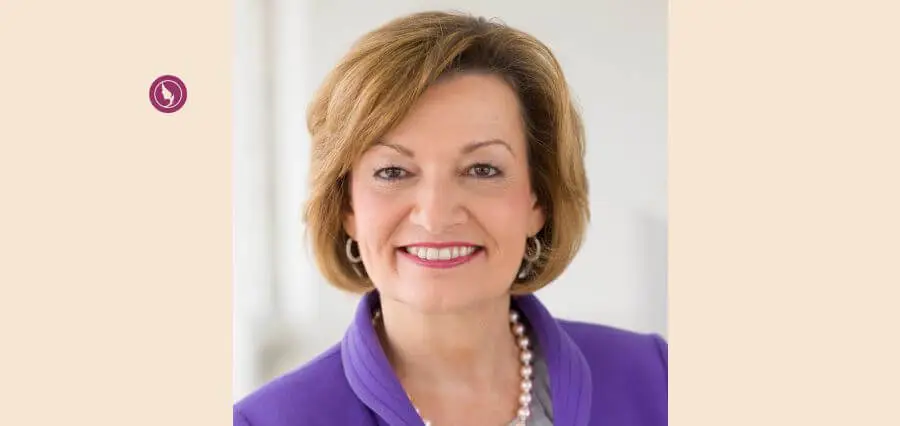
Leadership in healthcare requires the ability to bring teams together, develop future leaders, and help organizations respond to change. As technology reshapes business, people remain central to turning ideas into results and supporting organizational growth.
Cecilia McKenney, SVP & Chief Human Resources Officer at Quest Diagnostics, has built a career across healthcare, communications, and consumer packaged goods (CPG), with experience in human resources, marketing, product, business development, and business leadership. Her experience across different industries has shaped her approach to talent development, executive leadership, and employee well-being.
Let’s explore how she brings leadership teams together and prepares organizations for the future!
A Career Shaped by Diverse Experiences
For Cecilia, one way to measure the strength of someone’s leadership is the breadth of their leadership experiences. She has learned new industries and taken on different business roles across three very different companies.
At Pepsi, business leaders were expected to understand the business alongside their expertise in a functional area. Her areas of expertise were employee benefits and human resources. The business training was like getting an MBA, with HR leaders writing and presenting business operating plans. Working with talented colleagues in a positive, competitive culture was also an important part of her learning.
Wanting to gain more experience in data and technology led her to Frontier Communications. CEO Maggie Wilderotter’s mission was to transform a rural utility business into a modern data communications company. Wilderotter believed in the “athlete philosophy” for talent, placing great “athletes” in challenging roles because their talent and resilience would fuel performance.
This approach gave her the opportunity to add consumer sales, customer service, and marketing to her HR responsibilities. She later stepped out of the CHRO role to lead Frontier’s $5 billion consumer business.
With Frontier facing significant disruption, she joined Quest Diagnostics to fulfill a lifelong goal of being part of healthcare delivery. Today, she considers it an honor to serve as CHRO for a team of 57,000 employees working toward the purpose of “working together to create a healthier world, one life at a time.”
Her diverse experiences have taught her that the challenges and behaviors that make a successful leader transcend industries.
Bringing the C-Suite Forward
Cecilia believes the C-suite needs leaders who can connect the team through good times and bad times. A colleague at Quest once sent her a photo of a woman with a glue gun, capturing one of her roles: being the glue that binds the team together to achieve the CEO’s goals.
She describes this as the “Rubik’s Cube” challenge for people. Amazing things happen when leaders feel connected and motivated to bring their best selves to the team. Building a future-ready executive team, she believes, requires intentional and ongoing work.
Talent management and development are paramount to an organization’s success, much like a great sports franchise. There must be a farm team in development and minor league players preparing for the next big job.
At Quest, this involves identifying critical roles and tracking the performance and development plans of both incumbents and successors quarterly. The Talent Connections program helps the company understand successors’ career aspirations, needs, and personal lives. Leadership training, individual assessments, reflection, and coaching also help build a strong succession pipeline.
Human Resources as a Strategic Business Function
Cecilia believes that people are the secret sauce of any organization, whether public or private, for-profit or nonprofit. “People, not AI, bring the best ideas, inventions, new products, and services to life,” she notes. They also help companies scale and grow.
HR’s role is to help business leaders optimize the talents of their people. It must also ensure employees understand the company’s mission, the goals to be achieved, and the role they play in achieving them.
Simply put, she sees HR as the talent coach for business leaders. By connecting talent development with business priorities, HR helps organizations make the most of their people’s abilities.
Building a Strategic Succession Pipeline
Cecilia views succession planning as a strategic talent plan that must be multi-year, multi-dimensional, and methodical. She identifies four key areas.
First, organizations must identify the critical roles needed to develop C-suite leaders. Second, they need development plans for incumbents and successors in those roles. Third, talent brokering ensures leaders gain the right experiences. Finally, talent scouting involves tracking external talent who could become future recruits.
The plan must remain adaptable, with quarterly reviews to account for changes in the company and in people’s development. It also needs a clear owner, such as the head of Organization Effectiveness or Leadership Development, working with the CHRO to serve the CEO and Board of Directors.
Making Employee Well-Being a Priority
Cecilia believes “Employee wellness is an important way for employers to show care in a meaningful way.” At Quest, Thrive@Quest brings together four areas: Well-being, Financial, Growth, and Life. The program includes initiatives that support employees throughout their life journey.
These include the free annual health check, Blueprint for Wellness, financial coaching, and mental health support. She emphasizes that offering programs is only part of the responsibility. With a large, dispersed workforce, employees also need to know what resources are available.
Quest promotes Thrive@Quest through its digital communications platform, On Q, all-leader calls, and employee business networks. Wellness themes are incorporated into company communications, while HealthyQuest, the company’s largest employee network, uses local chapters to drive employee engagement.
Learning Through Change
Cecilia’s career reflects the value of taking on unfamiliar responsibilities and learning from different business environments. Moving from HR into consumer sales, customer service, marketing, and the leadership of Frontier’s consumer business gave her experience beyond her original functional area.
Taking risks brought difficult lessons, but those experiences continue to inform her decisions and make her a better leader. She believes that stepping into challenging roles can broaden a leader’s understanding of the business and strengthen future decision-making.
Advice for Women Aspiring to Leadership
Cecilia believes the pace of change has accelerated since the launch of AI. Women need to keep up with these changes while balancing responsibilities as executives, mothers, wives, and daughters. Managing daily life thoughtfully and deciding where to focus time and energy are important.
She shares a personal example from her early career: the windows in her living room went without curtains for years because she deprioritized decorating. For her, this reflects the choices sometimes required to focus on career development.
Another important lesson came from her former boss, Maggie Wilderotter, who advised her to invest in building a network. She believes professional relationships bring unexpected opportunities, valuable learning, and connections that can benefit a career over time.
She also encourages women to take career risks. Her decision to leave the CHRO role and lead a consumer business at Frontier gave her lessons that continue to shape her leadership.
Finally, she believes women leaders have a responsibility to pay it forward. Through their children, nieces and nephews, and the people they mentor, they can share real-world advice and coaching. The doors they open for others can be life-changing.
Building the Next Generation of Leaders
Across her career, McKenney has seen how varied experiences, strong professional relationships, and thoughtful talent development can prepare leaders for greater responsibilities. At Quest Diagnostics, her work brings together executive development, succession planning, and employee wellness, with people remaining central to the organization’s purpose.
Her leadership philosophy is grounded in the belief that people help organizations grow, bring ideas to life, and achieve their goals. Developing future-ready teams requires continued investment, clear direction, and a willingness to help others learn and advance.
As the pace of change continues, McKenney’s approach highlights the importance of preparing leaders for new challenges while supporting the people who make organizational progress possible. For her, leadership is not only about taking on greater responsibility. It is also about building connections, learning through experience, and helping the next generation move forward.