
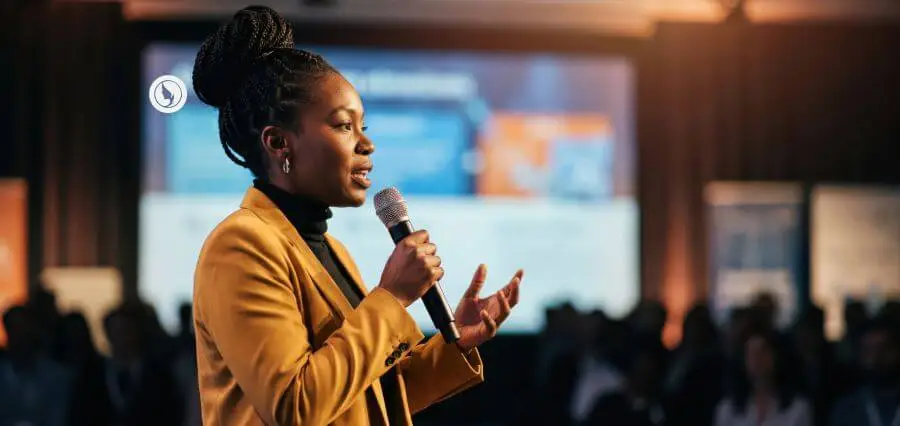
Inspiring Strategic Change
Not long ago, a company’s top team was rarely a topic outside the boardroom. Now people ask about it all the time. Customers check leadership pages, investors read diversity reports, and job seekers want to know who they would answer to. Women today run finance departments, product launches, and global operations, and many hold seats on the boards that set long-term direction.
Women Executives Shaping the Future of business are changing how companies plan, hire, and grow. Here is a look at what they are doing differently, why it affects results, and how companies can help more women move into senior roles.
How Women Executives Are Changing Business Leadership
Getting women into senior jobs used to be the whole goal. That work goes on, but a bigger question has come up: what happens once a woman holds the title? Her choices on strategy, culture, and spending show up in the numbers.
In banks, hospitals, tech firms, and factories, women now make the calls on budgets, markets, and hiring. Women Executives Shaping the Future in these fields also show younger workers that the top is within reach, and that changes the way people map out their careers.
Strategic Thinking and Clear Decision Making
Many women at the top combine data with real listening. They review the numbers, ask their teams for frank opinions, and then commit to a direction. Risks get caught earlier this way.
People also back a plan more readily when they had a hand in shaping it. Styles vary. Some executives act fast, while others test an idea before rolling it out. Most stay clear on goals and speak openly about how things are going.
Building Strong Teams and Healthy Workplaces
Good teams are built one person at a time. Women executives tend to put real effort into coaching, candid feedback, and promotions that feel fair. When employees know what comes next in their careers, they are more likely to stay and give their best.
Flexible schedules, honest conversations about workload, and fair pay also help companies hold on to skilled people and cut the cost of replacing them. Women Executives Shaping the Future of work culture also show that high standards and healthy limits can go hand in hand.
Why Diverse Leadership Improves Business Results
Studies from consulting firms and universities connect diverse leadership teams with better financial performance. The reason is easy to see. People with different backgrounds read the same plan in different ways, so the group finds more risks and more chances.
Diverse teams also understand a broader set of customers, which makes new markets feel less risky. Companies that include women in major decisions tend to get sharper ideas and make fewer costly errors.
Challenges Women Executives Still Face
Progress is real, but it is uneven. Across most of the world, CEO and board seats still go to men far more often than to women. The gap starts early, at the first promotion into management, where women are passed over more often than their male peers.
Lower pay, a heavier share of childcare and home duties, and quiet bias in everyday decisions slow careers further. For women of color, each of these hurdles tends to weigh even more. Companies that wave these issues away may watch strong people leave for rivals that take them on.
The Power of Mentorship and Sponsorship
A mentor offers advice. A sponsor opens doors. Both are useful, but sponsorship is often the piece that is missing. A sponsor speaks up for a rising leader when promotions and big projects are being decided.
Many Women Executives Shaping the Future of leadership now do this for others, giving back the support they once needed. Companies can help with formal programs, tracking of who gets stretch assignments, and rewards for managers who build talent from every background.
What the Future Holds for Women in Executive Roles
The years ahead will bring fresh tests, including artificial intelligence, shifting global markets, and hybrid work. Leaders will need good judgment, empathy, and the ability to explain change in plain words.
Many women developed these skills while working around barriers others never faced. Companies with fair policies, strong development programs, and clear career paths will be better prepared.
Conclusion
Women have moved from the sidelines to the center of company decision making. Businesses lean on them to drive growth, stay competitive, and hold the trust of customers and staff. Women Executives Shaping the Future show that strong results and a people-first approach can work side by side, and the road they have cleared makes it easier for the next group to follow.
Good intentions alone will not change much. A company can begin by setting firm targets for representation and reviewing pay and promotion numbers every quarter. Managers should answer for how their teams progress, and employee feedback should lead to visible action. The businesses that put real effort behind Women Executives Shaping the Future today are the ones most likely to set the pace in their industries tomorrow.