
The heartbeat of modern healthcare is changing, shifting away from cold corridors and rigid paperwork toward a world where technology feels as natural as a conversation. This evolution requires more than just high-speed servers or complex algorithms; it demands a leader who can weave empathy into every line of code.
As the digital landscape grows more intricate, the industry needs visionaries who treat data not as a series of numbers, but as a roadmap to better living. Leading this charge is a journey of turning invisible tools into indispensable lifelines. It is about building a future where the most advanced technology stays in the background, allowing the human connection between a patient and a caregiver to shine.
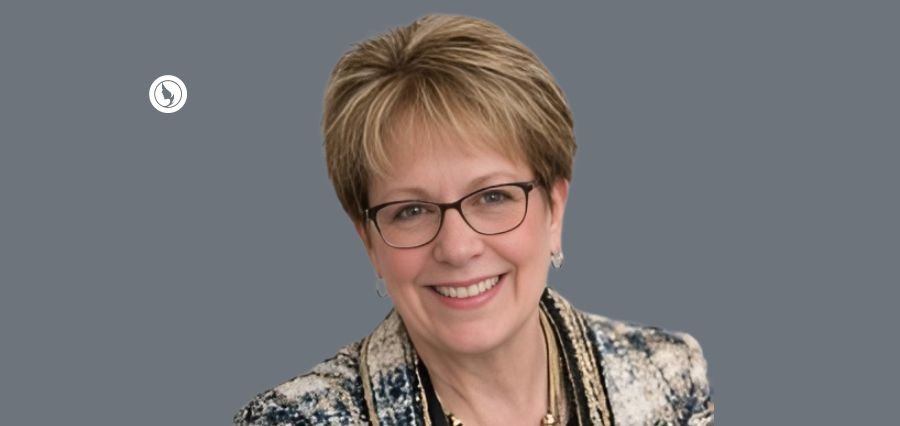
Crystal Broj currently embodies this mission as the Enterprise Chief Digital Transformation Officer at the Medical University of South Carolina (MUSC). In this influential role, she is guiding one of the most significant digital shifts in the healthcare industry today. Crystal is not just a technologist; she is a strategic leader who fosters deep collaboration between internal departments and the wider community to provide technical solutions to business problems. She focuses on delivering innovation while managing every phase of a project, from the initial product concept all the way through to the final launch.
Her leadership style is defined by a unique ability to translate broad corporate strategies into clear, specific objectives and actionable plans. Crystal manages incredibly complex issues with a high degree of technical insight and business knowledge. She is widely recognized as a dedicated and dynamic self-starter who brings a positive and assertive attitude to every challenge. Whether she is presenting to C-level executives and board members or mentoring her team members, Crystal remains focused on delivering results that are both on time and on budget.
The Turning Point: Technology with a Purpose
Crystal’s professional journey began in the technology sector long before she entered the world of healthcare. She spent many years working across a diverse range of industries, including consulting, insurance, manufacturing, and non-profit organizations. In these sectors, technology was already a core driver of business transformation. However, Crystal’s true leadership turning point occurred when she transitioned into healthcare and realized the power of technology when applied to something as personal as patient care.
She realized that while digital transformation in other industries improves revenue or customer experience, in healthcare, it has the power to literally change a person’s life. Crystal recalls a specific moment during her early work on patient access automation that solidified this belief. Her team was investigating why many patients were missing vital appointments. They discovered that the barriers were often simple: scheduling was too difficult, reminders were inconsistent, or the system was just too confusing to navigate.
By introducing automation and digital outreach, Crystal saw a dramatic shift where thousands of patients successfully scheduled screenings, leading to the early detection of serious medical conditions. This experience made the impact of her work real. She saw that technology was not just about improving a process; it was about helping people receive care they might otherwise have missed. This realization fundamentally changed her approach to leadership.
Removing Friction from the Patient Experience
For Crystal, digital transformation is never about implementing technology for its own sake. Instead, she views it as a way to remove friction between patients and the care they desperately need. Today, she and her team evaluate every single initiative through a specific lens that asks how technology can simplify the end-user experience.
Crystal believes that if technology can remove obstacles for a patient trying to access care, or for a clinician navigating a complex workflow, then it is doing its job correctly. Her goal is to create a seamless environment where the technical tools fade into the background, leaving only the human connection between the provider and the patient.
Building a Data-Driven Ecosystem
Historically, healthcare organizations have focused on maintaining massive IT infrastructures, such as electronic medical records and data warehouses. While these systems are essential, Crystal believes the future of the industry lies in using data to drive smarter decisions and proactive care. Under her guidance, MUSC is moving away from a system that primarily documents care to one that actively helps improve it.
Crystal is leading this shift by expanding the use of operational data to identify patients who need outreach for preventive screenings or medication follow-ups. She is also integrating digital tools that simplify access to care. This includes intelligent scheduling and digital assistants that help patients navigate the system more easily while improving efficiency for care teams. Finally, she is investing in AI and analytics that help clinicians interpret the enormous volumes of data healthcare generates to turn them into actionable insights. Her vision is a healthcare ecosystem where data predicts needs and supports clinical decision-making.
Leading Through Organizational Change
Crystal is well aware that large-scale technological shifts often face resistance. She argues that transformation rarely fails because of the technology itself; it fails because organizations struggle with the human element of change. Because hospitals are complex environments with different priorities, she works hard to bring administrators, clinicians, and technologists together around a shared vision.
Her strategy for leading change rests on the principle of co-creation, where she designs solutions alongside the people who will actually use them to ensure they fit real workflows. She also focuses on transparency by communicating clearly about why a change is happening so that teams understand the patients’ impact. Lastly, she prioritizes measurable impact by defining metrics to track improvement before a digital initiative even launches. Crystal views digital transformation as a team effort where technology becomes a shared solution rather than a disruption.
The Road Ahead: Trends for 2026 and Beyond
Looking toward the next five years, Crystal sees several trends that will reshape healthcare. She expects the rise of AI-enabled care models that support clinicians and help analyze clinical data. There is also a shift toward consumer-centric digital experiences as patients expect the same convenience from healthcare that they get from other modern industries.
Furthermore, Crystal believes automation will play a larger role in addressing workforce challenges by reducing administrative burdens. Finally, she anticipates a deeper integration of data from medical devices and remote monitoring tools to enable personalized care. She believes that the organizations that find the most success will be those that combine this innovation with strong leadership and thoughtful governance.
Empowering the Next Generation of Leaders
As a prominent executive, Crystal champions leadership that reflects a wide range of perspectives and experiences. Her advice to emerging women leaders is simple: stay curious, stay courageous, and stay focused on impact. She encourages them to challenge long-standing assumptions and bring in fresh ideas from outside the healthcare industry.
Crystal also emphasizes the importance of building strong networks and finding mentors because collaboration accelerates growth. She believes that leadership is not defined by a title, but by the ability to improve the lives of others. When work contributes to better care and healthier communities, the impact goes far beyond any single job description.
A Patient-Centered Legacy
Crystal’s long-term vision for MUSC is to create a system where technology quietly enables exceptional care. She imagines a future where a patient can schedule an appointment seamlessly and receive care that is informed by intelligent data systems. She wants tools that reduce the administrative burden on clinicians and provide insights that help guide clinical decision-making.
Ultimately, Crystal’s work is about more than just modernizing systems. It is about building a healthcare environment that is more accessible, more responsive, and more human. Crystal is proving that with the right leadership, technology can be the most powerful tool we have for improving the well-being of the people we serve.