
Nursing remains at the core of the global healthcare system, which means that nursing is one of the most valuable professions in the world. What sets it apart is its unique combination of professionalism and humanism, which is very hard to find in other industries. In a time when medicine advances at an incredibly fast rate, the importance of a chief nursing officer is pivotal. This person works to integrate clinical evidence and compassionate delivery of patient care. Chief nursing officers design the environment of healing, ensure caregivers have the support they need, create crisis plans, and help families cope with the challenges of recovery. The future of pediatric nursing needs someone who possesses great strength, creativity, and commitment to the younger generations of nurses.
The Spark of an Unplanned Journey
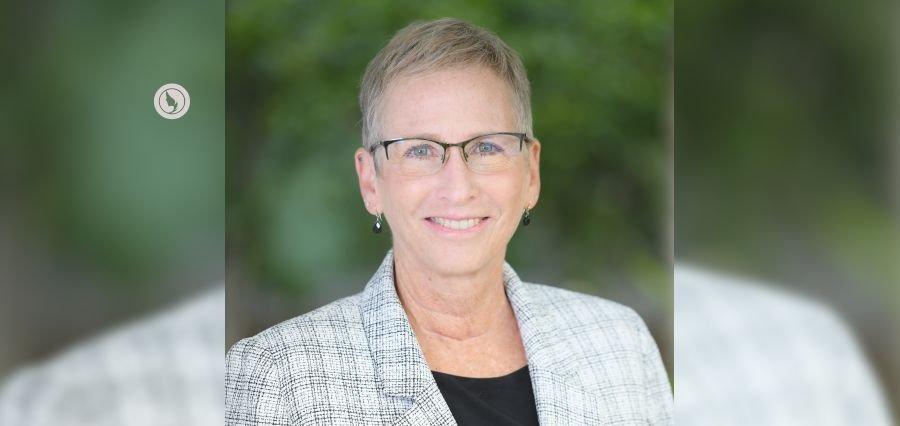
Kelly Johnson, PhD, RN, NEA-BC, serves as the Senior Vice President of Patient Care Services and the Chief Nursing Officer at Children’s Hospital Los Angeles (CHLA) in California. Though she’s served as CNO at several of the top children’s hospitals in the United States, nursing wasn’t her childhood dream. Instead, she discovered her passion for the profession as she was finishing high school and a deeply personal and transformative event solidified Kelly’s commitment to the specialized field of neurosciences.
During her sophomore year of high school, a close friend suffered a catastrophic injury. This accident left him ventilator-dependent, and he was living with high-level tetraplegia. The profound sadness and the frustration of seeing modern medicine struggle to “fix” his condition sparked an unquenchable fire within Kelly. This experience drove her to study the intricate complexities of the brain and spine. She eventually spent the first 26 years of her career specializing in traumatic spinal cord injury, serving as a clinical expert, a researcher, and a rising leader. She understood the weight of a life-changing diagnosis and used that empathy to fuel her leadership style.
Kelly recognizes that nursing offers a perfect synergy between her natural love for mathematics and her deep interest in the biological sciences. More importantly, she sees how the field integrates the humanities into the core of daily work. For her, nursing is an art form rooted in human culture, society, and the shared human experience.
Three Decades of Executive Mastery
The transition into formal executive leadership happened naturally for Kelly. She spent 15 years as a Chief Nursing Officer at a specialty hospital focused specifically on traumatic brain and spinal cord injuries. Despite having limited management training or experience at the time, she possessed an intense internal drive and a willingness to take calculated risks. With the encouragement of executive mentors who saw her potential, she stepped into the role and found her true calling. Kelly has now served as a CNO for 33 years, dedicating over three decades to leading some of the most prestigious medical centers in the United States.
Kelly views her position at the executive table as a sacred privilege rather than just a professional obligation. It allows her to inform strategic direction and drive the future of healthcare delivery on a massive scale. She takes immense pride in representing the voices of nurses and other healthcare professionals in the rooms where major decisions are made.
Kelly’s leadership framework for “executive longevity” is centered on a simple yet powerful idea: find your passion and let it be the engine that fuels your work. She believes that while the work in healthcare is often demanding and emotionally taxing, staying committed to a mission and a solid value system, helps a leader navigate difficult times with grace and composure.
The Dual Pillars: Science of Caring and Self-Preservation
A cornerstone of Kelly’s leadership philosophy is the “science of caring.” She is a firm advocate for the principle that to care for others effectively, one must first care for oneself. In the high-pressure environment of hospital administration, she models this behaviour by being a compassionate, values-driven leader. Kelly practices self-forgiveness and encourages her teams to do the same, emphasizing the importance of taking well-deserved time away to recharge and find balance. She knows that a burned-out leader cannot inspire a healthy team.
When mentoring the next generation of nurses and rising executives, Kelly’s advice is consistent and grounded in reality. She tells them to trust their instincts, take risks, and keep their mentors close. Her clinical background in neurosciences continues to influence her approach to organizational management even today. Kelly applies the concept of “neurological plasticity” to the way she handles change within a hospital setting.
Just as the brain rewires its connections in response to new stimuli, she believes healthcare institutions must be willing to reorganize their thinking, structures, and workflows. She’s seen and helped lead this level of organizational plasticity at Children’s Hospital Los Angeles, where the hospital has needed to remain agile and adaptive in a rapidly evolving landscape. By embracing change as a constant, Kelly helps the institution and its team members adapt and learn in real-time.
Cultivating Sustainability and Excellence in Practice
Kelly’s track record of success is evident in her long-standing work with the Magnet Recognition Program. This program is the gold standard for nursing excellence, and Kelly has led six different organizations to Magnet designations and redesignations. For her, “Cultural Sustainability” is not about winning a one-time award or hanging a plaque on the wall. It is about making rigorous standards a daily, lived reality for every frontline team member. She believes that a world-class healthcare organization starts with a strong nursing community where every individual feels they have a voice.
At CHLA, Kelly oversees a culture that respects nursing as a critical and equal member of the interprofessional team. She has built structures that bring clinical expertise into institutional decision-making. This inclusive environment is why she considers the nursing culture at CHLA to be one of the strongest she has ever had the honor to lead.
Nurses at CHLA are supported to lead from the bedside through professional governance, a professional ladder promotion program, and many other opportunities. Kelly creates a sustainable model where excellence becomes a habit rather than a goal. She fosters a sense of ownership among the staff, which in turn leads to better patient outcomes and higher levels of professional satisfaction.
Building the Pediatric Talent Pipeline
Looking toward 2026 and the years beyond, Kelly is actively preparing the next generation of specialized nurses. She knows that success in any major initiative requires a team of bright, motivated individuals who align with the hospital’s mission. Her strategy for the “Pediatric Talent Pipeline” focuses on both education and enrichment. A significant part of this effort is the Chuck Lorre Pediatric Health Education Institute at CHLA, established through a transformational gift from the Lorre Foundation. This institute is a first-of-its-kind hub in the nation that acts as a powerful accelerator for talent development, ensuring that the hospital remains at the forefront of pediatric medicine. For nurses, the institute provides structured nurse residencies for new graduates, transition fellowships for nurses moving into pediatrics, and research training to advance evidence‑based practice.
Under Kelly’s leadership, the CHLA built the Pediatric Pathways program to allow nursing students to spend hundreds of clinical hours at the hospital. This immersive experience prepares them for the specific and often intense challenges of working in an academic pediatric medical center. Additionally, she supports the expansion of state-of-the-art simulation training through the hospital’s Las Madrinas Simulation Center. This technology helps nurses refine their skills in a safe, controlled environment before they ever reach the bedside of a vulnerable child. It builds confidence and ensures that every practitioner is ready for high-stakes situations.
Innovation also extends to how she structures nursing roles to prevent burnout. The professional development team has created a unique dual-role program. This allows nurses to maintain their bedside practice while also pursuing interests in areas like quality improvement, research, or education. By splitting their time between two specialties, nurses find fresh ways to stay engaged and passionate about their work. This approach directly addresses the issue of institutional fatigue by offering variety, intellectual stimulation, and clear paths for career growth.
A Fairytale Ending and the Passing of the Torch
As summer 2026 approaches, Kelly is preparing for one of the most significant transitions of her life. After a long and rich career, she is nearing retirement and will be leaving CHLA to rejoin her family in the Aloha State. She describes her time at the hospital as a fairytale ending to an amazing professional journey. Kelly believes it is the right time to pass the torch to the leaders of the future and empower them to take the lead.
She leaves behind a legacy of continuous improvement and dedicated service. Kelly’s goal has always been to strengthen the institutions and the profession she serves. She expresses deep confidence in the senior leadership team at CHLA, noting their incredible strength and cohesion. She knows that the next Chief Nursing Officer will inherit a team of passionate leaders who are deeply committed to the hospital’s mission to “create hope and build healthier futures.” She views her departure not as an end, but as a new beginning for the institution she loves.
Kelly’s next chapter takes her back to the islands of Hawaii full-time. She ends this chapter with a heart full of gratitude and “aloha” for her colleagues and the many patients she has served over the decades. Her impact on the field of nursing leadership remains a testament to the power of combining scientific rigor with a compassionate, human touch. She has shown that true leadership is about more than just managing a hospital; it is about nurturing the human spirit in every nurse and every patient.