
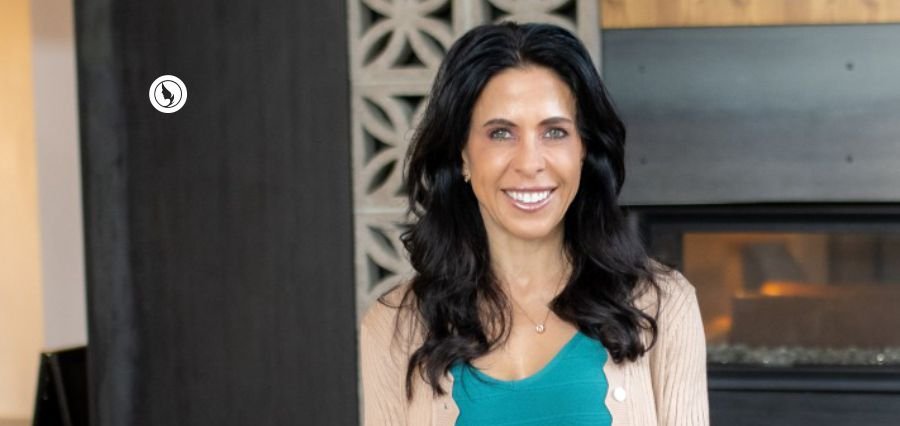
The most important leadership lessons rarely come from easy wins. They are shaped through challenge, uncertainty, and the courage to keep moving forward despite the obstacles. Karen Aranki’s growth as a leader reflects this truth – her leadership has been forged not by avoiding difficulty, but by meeting it with resilience, learning along the way, and clarifying her vision when the path was unclear. Through experience and reflection, she shows that growth comes from leaning into challenges, not avoiding them.
Currently she is the Senior Vice President and Chief Human Resource Officer at Varex Imaging where she emphasizes on people, purpose, and performance. What a remarkable career she has had that points to a successive theme: a passionate and devoted advocate of human-centered leadership characterized by the values of resilience, transparency, and inclusion. Change is seen by her not only as a disruption that one must cope with but rather as an opportunity to build trust and alignment across the various units of the business.
She is a strategist who strictly applies the rules of the game while simultaneously being emotionally wise. One of her distinctive marks is the creation of environments that are characterized by the right mix of accountability and genuineness, where people’s development is the priority, and inclusion is determined by connection not by policy
Karen Aranki is not just a CHRO; she is also a custodian of organizational culture who illustrates how the daily practice of leaders’ virtues like humility, openness, and boldness can bring long-term success.
Learning Through Adversity
Aranki credits her most significant growth to moments when plans derailed and expectations fell short. Rather than viewing setbacks as failures, she transformed them into her greatest teachers. This perspective shapes how she leads today with humility, self-awareness, and the understanding that perfection remains an impossible standard. She champions resilience as an essential asset, both professionally and personally, emphasizing that success stems from how leaders respond when challenges emerge unexpectedly.
This philosophy extends throughout her approach to talent development. She actively cultivates learning environments where mistakes become opportunities to sharpen judgment and adapt thoughtfully. She embeds this people-first mindset into every aspect of leadership selection, development, and recognition, partnering closely with executive teams to demonstrate transparency, humility, and especially during difficult decisions.
Building Connection Through Inclusion
For Aranki, inclusion transcends policy and metrics. She defines it as connection, ensuring every employee feels genuine belonging and mutual respect, regardless of background, ethnicity, gender, or life experience. When individuals feel connected to their colleagues, they contribute more openly, collaborate more effectively, and bring their full energy to their work.
She emphasizes that inclusion does not demand sameness. Instead, it requires creating common ground where differences receive acknowledgment and value, where people feel seen, heard, and respected. This approach recognizes that organizations fostering genuine connection position themselves to navigate complexity and sustain high performance over time. She views this work as a leadership imperative building environments where collaboration strengthens naturally and meaningful outcomes follow.
Navigating Transformation with Transparency
During periods of organizational change, Aranki identifies trust as the most critical currency. She anchors her leadership in constant, open communication, maintaining this commitment even when messages prove difficult to deliver. She believes employees who understand the reasoning behind decisions navigate change more effectively, transforming uncertainty into opportunity.
Her approach balances humanity with enterprise impact. In moments of uncertainty, she prioritizes clear communication about what teams know, what changes, and what remains constant, while acknowledging the human impact of transitions. “People don’t expect leaders to possess every answer, but they demand honesty and authenticity,” she notes. She leads with transparency, presence, and consistency, recognizing these qualities as foundations for emotional intelligence and trust.
Redefining Leadership Representation
Aranki navigates the dual responsibility many female leaders carry delivering results while representing what leadership can look like for others. She approaches this challenge by setting high-performance expectations and creating space for authenticity, ensuring emerging leaders don’t feel pressured to conform to outdated leadership models.
Breaking barriers, for her, means demonstrating what becomes possible and helping leaders discover their unique paths to success. She focuses on changing organizational dynamics and normalizing diverse leadership styles, systematically expanding access to opportunities. Her leadership development strategy combines experiential learning with cross-functional exposure and mentorship, creating comprehensive growth pathways for future leaders.
Shaping Her Leadership Brand
A pivotal mentorship moment fundamentally altered Aranki’s leadership trajectory when a mentor asked whether she understood her personal brand. The mentor explained that without knowing how others perceived her, she couldn’t effectively influence the multiple stakeholders she managed.
This powerfully simple question sparked ongoing introspection. Introspection and reflection are core principles integrated into Karen’s leadership philosophy. She now champions the principle that effective leaders continuously pause to breathe, assess, then respond, acknowledging that transformation requires awareness.
Embracing the AI Frontier
As HR undergoes significant evolution through digitization, mental health advocacy, and hybrid work cultures, Aranki identifies organizational resilience as the next critical frontier. She emphasizes that change remains constant, making the ability to help employees navigate transitions and adapt quickly essential for organizational success.
She views artificial intelligence as an exciting opportunity to automate processes and enhance employee experience. Her team actively works to help the organization learn how to leverage AI effectively and productively, recognizing this capability as transformative for future workplace experiences.
A Message for Emerging Leaders
Aranki delivers a powerful message to emerging leaders, particularly women aspiring to lead with purpose and courage: perfection is not a prerequisite for power. “Leadership demands not having every answer, but possessing the courage to step forward, make decisions, and learn/adapt in real time,” she says.
She acknowledges that change requires risk, and risk demands self-trust. Leaders will encounter moments when their voices shake, paths blur, or self-doubt creep in. These moments, Aranki insists, are not signals to retreat, they are invitations to grow.
Through her journey from a multicultural childhood to executive leadership, Karen Aranki demonstrates that authentic, people-first leadership creates lasting organizational impact. She proves that when leaders prioritize connection, transparency, and human dignity alongside business results, they build cultures where both individuals and enterprises thrive.